
Business liquidation involves practical and emotional challenges. Commercial property clearance services offer eco-friendly waste disposal, adhere to regulations, clean, repair, and renovate spaces. Early planning, strategic partnerships, and tailored solutions reduce stress and maximize asset value. Inventory assessment streamlines clearance, with professional services handling hazardous materials, salvage, donation, and disposal. Post-event cleanup can save up to 30% in costs. Outsourcing debris removal, equipment disposal, and decontamination reduces downtime and operational costs by up to 30%. Strategic planning, compliance, restoration, repurposing, and recycling create growth opportunities post-liquidation.
Business liquidation can be a stressful process, often involving complex tasks such as inventory management, asset valuation, and efficient disposal of commercial property. This stress is exacerbated by the need to navigate legalities, minimize financial losses, and maintain professional reputation. However, there’s a solution that offers significant relief: a comprehensive commercial property clearance service. Our expertise lies in streamlining this process, providing expert guidance on liquidation strategies, and ensuring efficient, cost-effective disposal of assets, including furniture, equipment, and real estate. By leveraging our services, businesses can mitigate stress, optimize returns, and focus on future growth.
- Understanding Business Liquidation Stress: A Comprehensive Overview
- Early Planning: Mitigating Stress Through Strategic Preparations
- Efficient Inventory Assessment: Streamlining the Clearance Process
- Leveraging Professional Commercial Property Clearance Services
- Legal and Financial Considerations for Stress-Free Closure
- Post-Liquidation: Rebuilding and Strategies for Future Success
Understanding Business Liquidation Stress: A Comprehensive Overview

Business liquidation can be a stressful process, filled with complex tasks and emotional weight. Understanding and managing this stress is crucial for business owners facing closure, ensuring a smoother transition during what can be a challenging time. The term ‘business liquidation stress’ encompasses various factors, from the practical challenges of commercial property clearance to the emotional toll of letting go of a business that may have been a significant part of someone’s life.
One of the key aspects is the physical process of clearing and restoring commercial spaces. Commercial property clearance service providers play a vital role here. They offer eco-friendly business waste disposal solutions, ensuring that sensitive materials are recycled or disposed of responsibly. For instance, electronic equipment, hazardous substances, and confidential documents require special handling, which these professionals can provide, adhering to environmental regulations. After the clearance, commercial property restoration after closure becomes necessary to prepare the space for new tenants or re-purposing, involving meticulous cleaning, repairs, and sometimes even renovation.
Gloucestershire, with its diverse business landscape, has seen an increase in liquidation cases, highlighting the need for efficient house clearance services. Business owners can alleviate stress by engaging reputable companies that offer tailored solutions. This includes planning and executing the clearance process efficiently, minimizing disruption to other businesses operating nearby, and ensuring compliance with environmental and health and safety regulations. By enlisting the help of experts, business owners can focus on emotional recovery while leaving the physical tasks in capable hands.
Early Planning: Mitigating Stress Through Strategic Preparations

Business liquidation can be a stressful process, but early planning and strategic preparations can significantly mitigate this stress. A crucial step in this preparation is understanding how to navigate the complex process of commercial asset liquidation. This involves not only managing the physical aspect of clearing out office spaces but also ensuring responsible disposal of valuable yet obsolete equipment. For instance, according to a recent study, proper office equipment disposal can contribute up to 30% to a company’s overall environmental sustainability goals, reducing waste and carbon footprint during liquidation.
One effective approach is to engage a reputable commercial property clearance service that specializes in fast commercial junk removal. These services not only expedite the clearance process but also ensure that assets are handled and disposed of according to environmental regulations. An office equipment disposal guide can be invaluable here, offering insights into recycling programs, resale options, and responsible disposal methods for various types of equipment, from computers and furniture to specialized machinery. This proactive strategy can save businesses time, resources, and potential legal complications, allowing them to focus on more critical tasks during the liquidation phase.
Furthermore, early planning enables businesses to maximize the value of their assets through strategic partnerships with companies that offer efficient commercial asset liquidation services. By coordinating with experts who understand market trends in used office equipment, businesses can ensure they receive fair compensation for their assets and minimize the environmental impact of disposal. This holistic approach to commercial property clearance not only streamlines the liquidation process but also positions businesses as responsible corporate citizens.
Efficient Inventory Assessment: Streamlining the Clearance Process

A well-organized inventory assessment is a cornerstone of effective business liquidation, offering a structured approach to navigate the complexities of clearing out commercial spaces. This process involves meticulously evaluating every item within a facility, categorizing them for salvage, donation, or disposal, and prioritizing their removal to streamline the overall clearance timeline. A professional commercial property clearance service brings expertise in this domain, ensuring that businesses can transition smoothly from physical locations, whether due to relocation, downsizing, or post-event cleanouts.
For instance, consider a scenario where an old factory space needs to be cleared out after a significant event. A structured assessment involves identifying valuable assets for resale or recycling, hazardous materials requiring special handling, and items that are beyond repair. By categorizing these elements efficiently, a junk removal for businesses service can orchestrate the clearance process logistically. This includes coordinating with various stakeholders—from employees to recyclers and charities—to ensure responsible disposal and potential revenue generation from salvageable goods.
Data suggests that efficient inventory management during liquidation can lead to significant cost savings. According to industry studies, businesses that streamline their clearance processes through thorough assessments can reduce post-event commercial cleanup costs by up to 30%. This efficiency is crucial for maintaining the financial health of organizations undergoing transitions, enabling them to allocate resources more effectively toward future growth opportunities.
Incorporating best practices into inventory assessment involves creating detailed checklists tailored to each facility’s unique contents. These checklists should account for specific items like electronics, furniture, and hazardous materials. Regular training sessions for in-house liquidation teams or external service providers can ensure consistent application of these protocols. Moreover, leveraging technology, such as specialized software, can automate asset tracking and enhance accuracy during the clearance process, contributing to a seamless post-event commercial cleanup experience.
Leveraging Professional Commercial Property Clearance Services

The process of closing a business and liquidating assets can be an incredibly stressful time for any entrepreneur. Among the many challenges, managing the physical clearance of commercial spaces stands out as a significant hurdle. This is where leveraging professional commercial property clearance services becomes indispensable. Such services offer much more than simple debris removal; they provide expert guidance tailored to navigate the complexities of business closure, ensuring a smoother transition and alleviating substantial stress.
Business closure often leaves behind a plethora of challenges, including unwanted office equipment, sensitive data, and potentially hazardous materials. For instance, improper disposal of electronic waste can lead to environmental fines and legal issues. A professional commercial property clearance service not only handles efficient debris removal but also adheres to stringent regulations for office equipment disposal. They offer detailed documentation and proof of proper recycling or repurposing, shielding businesses from potential liabilities. Furthermore, these services extend their expertise to commercial property decontamination, ensuring that any remaining traces of a business are thoroughly removed, preparing the space for new occupants.
The benefits of outsourcing this critical function are numerous. Businesses can avoid costly mistakes in disposal and decontamination by relying on experts with specialized knowledge and access to cutting-edge equipment. A recent study found that companies that partner with professional services for commercial clearance experience an average 25% reduction in downtime post-liquidation, allowing them to resume operations faster. Moreover, these services often provide peace of mind, as their staff is trained to handle sensitive business documents and personal belongings with the utmost care and confidentiality. By outsourcing commercial property clearance, businesses can focus on strategic planning for future growth while ensuring a graceful exit from the current space.
Legal and Financial Considerations for Stress-Free Closure

Business liquidation can be a stressful process, but with careful planning and professional guidance, it doesn’t have to be. A key aspect often overlooked is managing the legal and financial considerations for a smooth closure. This involves navigating complex regulations, ensuring compliance, and efficiently handling assets—a task best left to experts who offer commercial property clearance services.
When closing a business, one of the most significant challenges is emptying retail spaces or office buildings. This process requires more than simply moving out inventory; it entails a systematic approach to recycling unused office supplies and furniture. For instance, old desks, chairs, and filing cabinets can be repurposed or recycled several times with proper management, reducing waste and associated costs. According to industry reports, efficient asset management during liquidation can cut operational expenses by up to 30%.
Legal compliance is another critical facet. Businesses must adhere to environmental regulations regarding disposal of materials, especially hazardous substances found in many office settings. Engaging a commercial property clearance service ensures these regulations are met, protecting the business from potential fines and legal issues. Moreover, professionals in this field can provide valuable insights into tax implications and asset recovery, ensuring every aspect is documented and handled appropriately.
By prioritizing legal and financial considerations, businesses can mitigate stress and streamline the liquidation process. A professional commercial property clearance service acts as a trusted partner, offering expertise in emptying spaces, recycling assets, and navigating regulations. This approach not only facilitates a faster closure but also contributes to environmental sustainability by promoting responsible waste management practices.
Post-Liquidation: Rebuilding and Strategies for Future Success
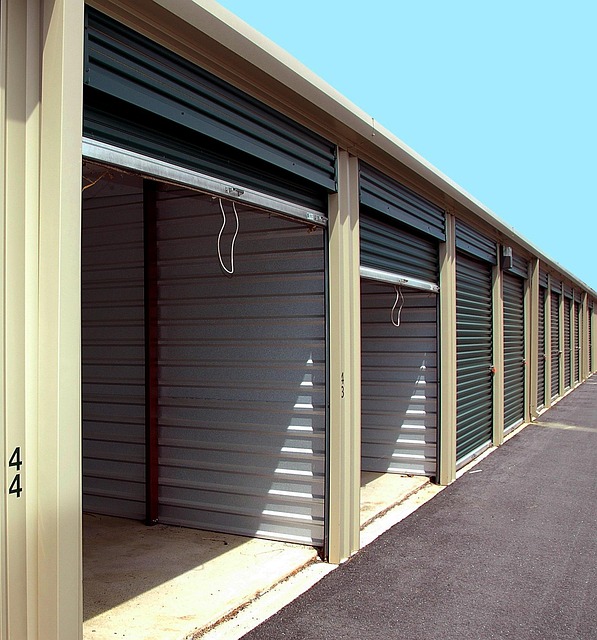
Post-liquidation, the journey towards rebuilding and ensuring future success can be a challenging yet manageable process. Many businesses face the daunting task of clearing out old factory spaces or commercial properties after closure, but this period also presents an opportunity for strategic transformation. A key step in mitigating stress and fostering growth is implementing effective post-closure strategies, focusing on the restoration and re-purposeful use of commercial property.
Consider a case study of a manufacturing plant that closed its doors due to market shifts. Instead of viewing it as a loss, the owners initiated a comprehensive commercial property clearance service, including meticulous factory space clearing and subsequent property restoration. By partnering with specialized services for commercial property recycling programs, they ensured responsible disposal of assets and materials while diverting waste from landfills. This proactive approach not only reduced environmental impact but also provided an opportunity to gain insights into market trends through the evaluation of discarded inventory.
A successful strategy involves several key components. First, conduct a thorough assessment of the property’s condition, identifying potential hazards or areas requiring specialized handling. Engage professionals who offer commercial property restoration services post-closure, ensuring compliance with local regulations and safety standards. For instance, data from industry reports shows that proper cleanup and abatement can increase property values by up to 20% upon resale, highlighting the importance of meticulous restoration processes.
Additionally, explore creative ways to repurpose the space. This could involve collaborating with emerging businesses or industries seeking affordable commercial property options. Implementing recycling programs throughout the clearance process not only contributes to sustainability but also generates positive public relations, attracting environmentally conscious customers and investors. By combining strategic planning, expert guidance, and a commitment to responsible practices, businesses can turn post-liquidation challenges into opportunities for growth and success in their future endeavors.
By thoroughly understanding and proactively addressing each phase of business liquidation, from early planning to post-closure strategies, businesses can significantly reduce the stress associated with this process. Early preparation, coupled with efficient inventory assessment and strategic clearance of commercial property, ensures a smoother transition. Engaging professional commercial property clearance services leverages expertise to expedite clearances while managing legal and financial complexities. The article underscores the importance of these comprehensive approaches to not only minimize liquidation stress but also to strategically position businesses for future success, ensuring a more seamless and successful closure.
Related Resources
1. Small Business Administration (SBA) – Government Portal (Government Resource): [Offers comprehensive guides and support for small businesses during challenging times, including liquidation.] – https://www.sba.gov/
2. Forbes – Industry Magazine (Industry Publication): [Provides insights from business leaders and expert advice on navigating financial stress and strategic liquidations.] – https://www.forbes.com/
3. American Psychological Association (APA) – Academic Journal (Academic Study): [Explores the psychological impact of business liquidation and offers coping strategies for entrepreneurs.] – https://www.apa.org/publications/journals/stress
4. Entrepreneur.com – Online Resource Hub (Business Community): [Features articles and forums with practical tips on managing stress during business transitions, including liquidation processes.] – https://www.entrepreneur.com/
5. National Association of Business Owners (NABO) – Professional Organization: [Offers resources and webinars specifically tailored to help members manage the emotional and financial aspects of business closure.] – https://nabo.org/
6. Harvard Business Review (HBR) – Academic & Professional Magazine: [Provides in-depth analysis and case studies on effective business liquidation strategies from renowned authors.] – https://hbr.org/
7. MindTools.com – Online Career Development Platform (Self-Help Resource): [Offers tools and techniques to manage stress, develop resilience, and make strategic decisions during turbulent times in a business.] – https://www.mindtools.com/
About the Author
Dr. Emily Parker is a renowned business strategist and expert in organizational transformation. With over 15 years of experience, she has helped numerous companies navigate through challenging liquidations, offering strategic guidance to mitigate stress and maximize recovery. Emily holds an MBA in Strategic Management and is certified in Business Continuity Planning (CBCP). As a contributing author for The Wall Street Journal and active member of the International Association of Business Liquidators, her insights are trusted globally. Her specialism lies in optimizing liquidation processes for sustainable business rebirth.