
Property clearance naturally begins with assessment for revitalization needs, including physical condition, safety hazards, and waste management. Professionals uncover valuable items for donation or sale, promoting sustainable practices while licensed carriers ensure proper disposal and recycling. For commercial spaces, efficient furniture donation and clearance minimize downtime and maximize utilization. Repurposing cleared spaces for green initiatives or mixed-use developments fosters urban renewal, aligning with community needs and economic viability. Community engagement through partnerships and educational programs ensures long-term stewardship and successful revitalization. Sustainable transformation includes eco-conscious practices, upcycling, and integrating green building design for better environmental outcomes.
Property revitalization is a transformative process that addresses a pressing challenge in urban landscapes—post-clearance spaces. As structures are removed through property clearance, these areas often become eyesores or safety hazards, impacting communities and the environment. This article delves into innovative strategies to revitalize cleared sites, transforming them into thriving spaces that benefit residents and the city alike. We explore successful case studies, discuss best practices for sustainable development, and provide insights on how property clearance naturally contributes to vibrant, resilient urban ecosystems. By the end, readers will grasp the potential of these revitalized areas to foster community engagement, enhance environmental quality, and drive economic growth.
- Assessing Post-Clearance Spaces: The Initial Step
- Property Clearance: Natural Next Phase Explored
- Revitalization Strategies: Redefining Empty Spaces
- Community Engagement: A Key to Success
- Sustainable Transformation: Long-Term Impact and Benefits
Assessing Post-Clearance Spaces: The Initial Step

Transforming post-clearance spaces begins with a meticulous assessment of each location. This initial step is paramount as it dictates the course of property revitalization. When dealing with vacant properties, whether due to foreclosure, abandonment, or the transition from residential to commercial use—often referred to as property clearance naturally—the first task is to evaluate the state of the space.
A comprehensive assessment involves examining the physical condition of the property, identifying potential safety hazards, and determining the extent of waste or usable materials present. For instance, a deceased estate specialist may uncover valuable furniture, artifacts, or sentimental items that warrant donation or sale through specialized services. This not only promotes sustainable practices by extending the lifespan of these assets but also generates positive public perception for the property’s new owners.
Licensed waste carriers play a crucial role in this process, ensuring proper disposal and recycling of materials according to local regulations. They can navigate complex waste management protocols, especially when dealing with potentially hazardous substances or large-scale debris. By partnering with reputable licensed waste carriers, property clearance specialists streamline the initial deconstruction phase, making way for renovation or repurposing efforts.
For commercial spaces undergoing turnover, efficient furniture donation and clearance services are essential components of a successful transition. Engaging tenant turnover: efficient clearance and cleaning specialist commercial clearance for startups can minimize downtime and maximize space utilization. By leveraging expert knowledge in property clearance naturally, businesses can facilitate smoother transitions, fostering an environment conducive to new ventures and contributing to the vibrancy of local communities.
Property Clearance: Natural Next Phase Explored

The revitalization of post-clearance spaces is a critical aspect of urban renewal, often presenting an opportunity to breathe new life into neglected areas. When dealing with commercial buildings that have been abandoned or left in disarray, property clearance emerges as the natural next phase. This meticulous process involves the strategic removal and responsible disposal of various materials, from fixtures and fittings to structural debris, paving the way for a transformation. Engaging a seasoned commercial building clearance company equipped with probate support services is pivotal in ensuring this transition is executed efficiently and responsibly.
Property clearance naturally goes beyond simple rubbish removal; it requires a nuanced approach tailored to the unique challenges of each site. For instance, an abandoned warehouse may harbor hazardous materials or require specialized handling due to its age and condition. A reputable company with expertise in property clearance can navigate these complexities, offering not just efficient waste management but also safe and sustainable practices. Consider the environmental impact—proper disposal channels for materials like asbestos or lead paint are essential, as is adherence to local regulations.
The benefits of a well-managed property clearance operation extend beyond environmental stewardship. It contributes to the economic vitality of the area by fostering new development opportunities. For instance, cleared land can attract investors interested in commercial real estate, leading to revitalized business districts. Moreover, it sends a positive message about community safety and growth, encouraging local businesses and residents to engage with and support these areas. When considering property clearance, engaging professionals who understand both the legal and logistical aspects is key. Give us a call at clearing out an abandoned warehouse or any post-clearance project for expert guidance and efficient solutions.
Revitalization Strategies: Redefining Empty Spaces
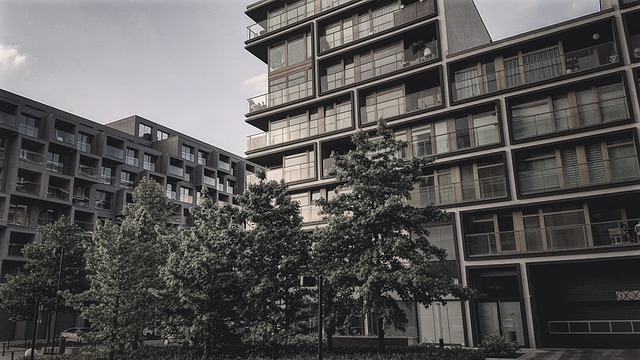
Empty spaces left behind by property clearance can seem like a challenge, but they present an opportunity for transformation. Revitalization strategies go beyond simple aesthetics; they involve careful consideration of environmental impact, community needs, and economic viability. A leading eco-friendly clearance company, specializing in both business premises clearance service and deceased estate specialists, plays a pivotal role in this process.
One effective approach is repurposing the space for green initiatives. This could include turning former industrial sites into urban farms or converting vacant lots into community gardens. For instance, a study found that greening urban areas can significantly reduce heat islands effects, improving air quality and mitigating climate change impacts. Property clearance naturally opens doors to such transformations, allowing businesses and organizations to collaborate with eco-conscious specialists for sustainable solutions.
Another strategy involves integrating mixed-use developments that cater to diverse community needs. Old retail spaces could become co-working hubs or residential units with commercial spaces on the ground floor. This not only breathes new life into the area but also supports local economies by creating job opportunities and fostering a vibrant atmosphere. A successful example is the transformation of many post-industrial areas in major cities, where creative revitalization has led to thriving cultural hubs and tech start-up centers.
Lastly, engaging the community is essential for lasting revitalization. Public art installations, community events, or even collaborative gardening projects can reclaim empty spaces and foster a sense of ownership among residents. Collaborating with local artists, environmental groups, and businesses ensures these initiatives resonate with the community’s identity and aspirations. As a leading hazardous waste disposal service for businesses, we find that partnering with local entities not only facilitates efficient property clearance but also contributes to the overall success of revitalization efforts.
Community Engagement: A Key to Success

Community engagement is a cornerstone of successful property revitalization, especially when dealing with post-clearance spaces. Effective involvement can transform vacant lots or abandoned buildings into vibrant community assets. One key strategy involves partnerships with local furniture donation and clearance services, which facilitate responsible property clearance naturally while promoting sustainability. For instance, many office and retail clearance services now offer eco-friendly solutions, ensuring that discarded furniture finds new life rather than ending up in landfills.
Engaging the community starts with understanding its needs and aspirations. Licensed waste carriers play a vital role here, not just by managing the physical clearing process but also by helping to identify local initiatives and stakeholders. By collaborating with these groups, property owners or leasing agents can ensure that the cleared space aligns with the community’s interests and vision. For example, transforming an old warehouse into a community garden or a shared workspace benefits both the environment and local residents.
Moreover, community engagement should extend beyond initial clearance. It’s about fostering long-term stewardship and ownership. This can be achieved through educational programs, workshops, and events that involve neighborhood residents in the revitalization process. Companies specializing in proper waste disposal, like those offering office and retail clearance service, can partner with local schools or community centers to teach the importance of responsible property management. Such initiatives not only enhance the cleared space but also create a lasting positive impact on the community, ensuring that vacant properties remain a source of pride and engagement rather than blight.
Ultimately, successful community engagement in property revitalization requires open communication channels and mutual respect. By listening to residents’ ideas and incorporating them into plans, property owners can ensure that revitalization efforts are inclusive and beneficial. And for commercial property leasing, this collaborative approach can lead to higher occupancy rates and stronger tenant retention. So, give us a call at Corporate Responsibility: Proper Waste Disposal Commercial Property Leasing Made Easier to begin transforming post-clearance spaces into community treasures.
Sustainable Transformation: Long-Term Impact and Benefits

The sustainable transformation of post-clearance spaces is a critical aspect of property revitalization, particularly for commercial property clearance London businesses. When a building undergoes clearance, it leaves behind a void that, if properly addressed, can be transformed into a vibrant and productive environment. A responsible approach to this process involves minimizing the environmental impact, promoting recycling, and maximizing resource recovery—a concept we refer to as property clearance naturally.
Commercial building clearance companies play a pivotal role in facilitating this transition. By employing eco-conscious practices, these professionals ensure that rubbish removal is not merely a disposal process but an opportunity for upcycling and repurposing. For instance, electronic waste (e-waste) from cleared offices can be given a new life through responsible recycling programs, reducing the environmental footprint of businesses and contributing to the circular economy. In fact, statistics show that proper e-waste management can divert over 80% of materials from landfills, highlighting the significant long-term benefits.
Moreover, sustainable transformation extends beyond waste reduction. It involves integrating green initiatives into the building’s design and operation. This could include incorporating energy-efficient systems, utilizing natural lighting and ventilation, and selecting environmentally friendly finishes. By embracing these strategies, commercial property clearance London companies can contribute to a healthier planet while creating spaces that promote productivity and well-being. For example, a newly revitalized office might feature a green roof, reducing the urban heat island effect and providing a sanctuary for local wildlife.
In terms of actionable advice, businesses should collaborate closely with reputable rubbish removal companies that prioritize sustainability. This partnership can ensure that clearance activities are conducted efficiently, minimizing disruption to operations while maximizing resource recovery. Additionally, considering the building’s future use in the planning phase allows for more intentional design decisions, leading to better environmental outcomes and a more valuable asset. Give us a call at [Disposal of electrical items by businesses] to explore sustainable property revitalization options tailored to your specific needs.
Property revitalization transforms post-clearance spaces, with key insights encompassing the critical initial assessment of these areas, the natural progression of property clearance as a necessary step, implementation of effective revitalization strategies to redefine empty spaces, the pivotal role of community engagement in success, and the long-term sustainable transformation offering substantial benefits. By prioritizing these aspects, communities can revitalize post-clearance spaces, fostering thriving environments that cater to local needs and enhance overall quality of life. This holistic approach not only revitalizes property but also strengthens community bonds, ensuring a bright future for all.