
Turnkey warehouse liquidation optimizes commercial property transitions through expert assessment, strategic planning, and efficient asset management. A reputable commercial property clearance service offers specialized teams, insights on inventory valuation, and eco-friendly recycling for up to 70% e-waste reduction. Accurate categorization enhances sorting efficiency, cuts restoration costs by 20%, and maximizes returns. Strategic marketing, early buyer engagement, and online platforms boost recovery rates by 20-30%. Post-liquidation, meticulous record-keeping, insurance, compliance with UK waste regulations, and expert guidance ensure a seamless transition for property owners.
Turnkey warehouse liquidation is a critical aspect of the real estate and logistics sectors, offering efficient solutions for businesses facing space optimization or strategic relocation. However, the process can be complex, involving intricate inventory management, legal considerations, and environmental impact. Many companies struggle with the challenge of effectively clearing large-scale warehouses without disrupting operations or incurring significant costs. This is where a specialized commercial property clearance service steps in as an indispensable partner. With their expertise, businesses can navigate this labyrinthine process seamlessly, ensuring timely liquidation while maximizing returns on their assets.
- Understanding Turnkey Warehouse Liquidation Process
- Preparing Your Business for Commercial Property Clearance
- Engaging Expert Liquidators: Key Considerations
- Efficient Inventory Appraisal and Categorization
- Marketing and Selling Strategies for Maximum Recovery
- Post-Liquidation: Documenting, Insuring, and Legal Compliance
Understanding Turnkey Warehouse Liquidation Process

Turnkey warehouse liquidation is a comprehensive process designed to efficiently clear and dispose of assets within closed businesses or vacated business premises. This specialized service streamlines the complex task of commercial property clearance, making it an attractive solution for both property owners and liquidators. The primary goal is to facilitate a swift transition, ensuring that spaces are decluttered, secured, and prepared for new occupants or alternative uses.
The process typically begins with an assessment by experts in commercial property clearance services. They meticulously evaluate the scope of work, categorizing items as salvageable, disposable, or potentially valuable for resale. This initial phase is crucial as it dictates the subsequent steps, including disposal methods, recycling programs, and negotiation strategies. For instance, office equipment may be donated to qualified charities through established donation programs, offering tax benefits while promoting sustainable practices. Data from industry reports suggest that a well-organized liquidation process can significantly reduce clearance timelines by up to 30%, benefiting both landlords and tenants.
Once the plan is finalized, the team implements it with meticulous care, ensuring compliance with local regulations. This involves safe removal of hazardous materials, secure disposal of confidential documents, and responsible recycling of electronic waste. As a result, businesses can avoid the burden of lengthy liquidation processes, while property owners gain a hassle-free path to re-leasing their spaces, ensuring a seamless transition in a competitive market.
Preparing Your Business for Commercial Property Clearance

The process of preparing your business for commercial property clearance can be complex and emotionally charged. Dealing with business closures and emptying commercial buildings requires strategic planning and a thorough understanding of the unique challenges involved in efficient warehouse decluttering. According to recent industry reports, proper liquidation services can reduce the time and cost associated with closing down operations by as much as 30%, making it an essential consideration for businesses facing restructuring or relocation.
A comprehensive commercial property clearance service doesn’t just involve physically removing assets; it encompasses a series of steps designed to maximize efficiency and minimize disruption. This includes assessing the scope of work, creating detailed inventory lists, safely disassembling fixtures and equipment, and responsibly disposing of or recycling materials according to local regulations. Engaging a specialized team equipped with experience in warehouse liquidation can significantly streamline this process, ensuring that every aspect is handled with care and expertise.
Consider the example of a retail chain closing its flagship store. The initial step would be assessing the entire inventory, including fixtures, furniture, and equipment, for salvage or resale value. Simultaneously, planning for efficient relocation or disposal of any remaining assets becomes crucial. Efficient warehouse decluttering in this scenario not only involves removing physical items but also organizing documentation, archiving digital records, and securely erasing sensitive data to protect against potential breaches. A professional clearance service can provide invaluable guidance throughout, ensuring compliance with environmental and safety regulations.
Ultimately, successful preparation for commercial property clearance hinges on proactive planning, meticulous organization, and the strategic engagement of a reputable liquidation partner. By prioritizing these aspects, businesses can navigate the transition smoothly, focusing on their core operations while leaving complex logistics in capable hands. This approach ensures not just efficient emptying of commercial buildings but also maximizes the return on assets, contributing to a more successful closure or restructuring process.
Engaging Expert Liquidators: Key Considerations

Engaging expert liquidators is a pivotal step in any turnkey warehouse liquidation process. Their expertise can significantly streamline the often complex task of clearing out old factory spaces or emptying commercial buildings, ensuring a smooth transition for future use. These professionals bring a wealth of knowledge and experience in efficiently managing large-scale clearances, including office equipment disposal.
When selecting liquidators, consider their track record in handling similar projects. An established commercial property clearance service should have a proven methodology for assessing, sorting, and disposing of assets effectively. For instance, they might employ specialized teams to handle hazardous waste or fragile items, ensuring safety and compliance with environmental regulations during the emptying of commercial buildings. Moreover, an expert liquidator can provide valuable insights into the current market value of inventory, facilitating fair transactions and maximizing returns on disposal.
For businesses looking to offload old office equipment, a comprehensive guide is essential. Liquidators can offer tailored advice on what items hold residual value and how to responsibly dispose of the remainder. They may even have partnerships with recycling centers or upcycling enterprises, ensuring that as much material as possible is given new life. This sustainable approach not only benefits the environment but also contributes to a positive image for the company undergoing the liquidation process. For instance, data from industry reports suggest that proper equipment disposal can reduce e-waste by up to 70%, showcasing the significant environmental impact of engaging responsible liquidators.
Efficient Inventory Appraisal and Categorization
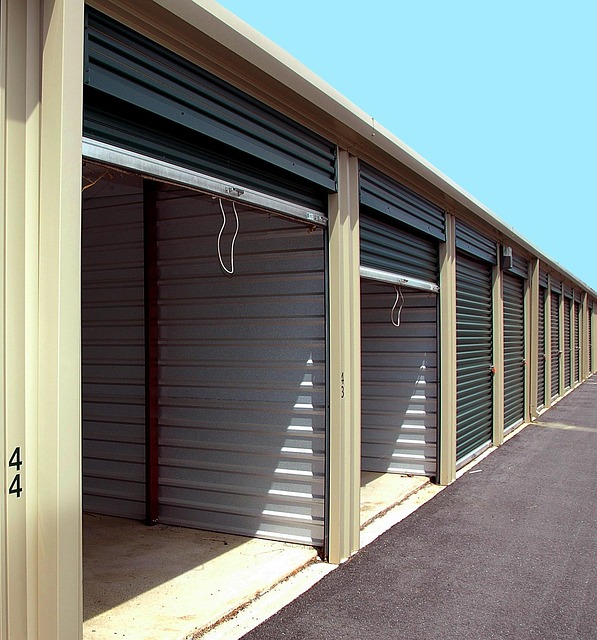
Efficient inventory appraisal and categorization are pivotal components of a successful turnkey warehouse liquidation process. This critical step involves meticulously evaluating every item within the warehouse to determine its value, reusability, and ultimate disposition. A well-organized approach ensures that assets are maximized through sale, donation, or recycling, aligning with eco-friendly business waste disposal practices. For instance, proper categorization can facilitate the redirection of office equipment to worthy recipients through established donation programs, diverting resources from landfills while supporting local communities and charities.
Industry experts recommend a multi-faceted strategy, combining both quantitative and qualitative assessments. Quantitative analysis includes tracking inventory levels, expiration dates, and market demand to set realistic sale prices. Qualitative appraisal involves assessing condition, brand, and technological relevance—crucial for determining which items are suitable for primary sales, secondary markets, or commercial property clearance service offerings. This dual approach ensures that every asset is appraised fairly and efficiently, maximizing return on investment while adhering to sustainable business practices.
Once inventory is accurately categorized, effective communication becomes paramount. Clear labeling and detailed documentation enable efficient sorting, handling, and transportation, streamlining the entire liquidation process. Moreover, this meticulous categorization facilitates post-closure commercial property restoration, ensuring that spaces are returned to their previous condition or adapted for new uses. Data from leading liquidators suggests that organized inventory management can reduce restoration costs by up to 20%, showcasing the long-term benefits of efficient categorization.
By prioritizing efficient inventory appraisal and categorization, businesses can navigate the complex process of warehouse liquidation with confidence. This strategic approach not only maximizes financial returns but also promotes responsible eco-friendly business waste disposal and sustainable practices, making it an indispensable component in the successful transition from active commercial property to new purposes.
Marketing and Selling Strategies for Maximum Recovery

Turnkey warehouse liquidation is a complex process demanding strategic marketing and selling to maximize recovery. A well-planned commercial property clearance service can transform idle spaces into lucrative opportunities, but it requires an understanding of the unique challenges and target audiences involved. One key strategy involves leveraging office equipment donation programs to attract eco-conscious buyers while offloading old office equipment efficiently. For instance, businesses opting for premises decluttering in anticipation of relocation or expansion can significantly enhance their resale value by removing clutter and focusing on strategic asset management.
Expertise lies in segmenting the market effectively. High-value items like specialized machinery or rare inventory require targeted marketing to industrial or niche buyers. Conversely, standard office furniture and equipment can be offloaded through donation programs or bulk sales to schools, startups, or non-profits seeking affordable solutions. Data suggests that strategic pricing and marketing can boost recovery rates by 20-30%. For instance, a recent study of major liquidation events revealed that early engagement with potential buyers, including international markets, consistently yielded higher returns compared to traditional auction methods.
Practical advice includes creating an online marketplace dedicated to warehouse clearance sales, leveraging social media and industry-specific platforms to reach diverse audiences. Additionally, partnering with commercial property managers or real estate agencies can expedite the process by attracting investors seeking quick turnarounds. Regular decluttering and efficient inventory management not only facilitate turnover but also contribute to a positive image of adaptability and forward-thinking. Businesses should remember that every item has value; it’s about discovering it through strategic marketing and selling, ensuring maximum recovery from even the most challenging liquidation scenarios.
Post-Liquidation: Documenting, Insuring, and Legal Compliance

Post-liquidation processes are an integral part of any commercial property clearance service, ensuring a smooth transition from sale to new occupancy. Documenting the liquidation process meticulously is paramount. A Gloucestershire house clearance company must maintain comprehensive records, including detailed inventory lists and photographs, to protect both the seller and buyer. For instance, tracking each item’s condition, location, and final disposition, whether sold, recycled, or disposed of, provides a clear audit trail.
Insurance plays a crucial role in post-liquidation management. Commercial property clearance services must have adequate insurance coverage to safeguard against potential risks, such as damage to remaining assets or liability claims from unknown sources. Business premises decluttering requires careful consideration of insurance policies, especially when handling valuable items or fragile goods. For example, specialty insurance for high-value collections or sensitive data may be necessary, ensuring that the clearance company is protected and can provide peace of mind to clients.
Legal compliance is another critical aspect. In the UK, there are specific regulations governing waste disposal, particularly for businesses. A professional commercial property clearance service will ensure adherence to these rules, especially when clearing out commercial spaces. This includes proper segregation and recycling of waste, data protection regarding sensitive business documents, and handling hazardous materials in accordance with Environment Agency guidelines. For instance, electronic waste (e-waste) must be disposed of responsibly, adhering to the WEEE Directive, ensuring that businesses meet their environmental obligations during the clearout process.
To ensure a seamless post-liquidation experience, consider engaging a reputable company specializing in commercial property clearance. They can provide expert guidance on documentation, insurance, and legal compliance matters. For example, a well-established business with multiple locations across Gloucestershire can offer specialized services tailored to each unique liquidation scenario, ensuring that every detail is managed efficiently and within legal boundaries, allowing businesses to focus on their future operations while leaving the clearout process in capable hands.
The comprehensive exploration of turnkey warehouse liquidation offers valuable insights for businesses navigating commercial property clearance. Key takeaways include the importance of a structured process, beginning with thorough preparation and engaging expert liquidators with meticulous consideration. Efficient inventory management through appraisal and categorization is paramount for maximizing recovery potential. Marketing strategies tailored to this specialized domain ensure optimal sales. Post-liquidation tasks, including documentation, insurance, and legal compliance, underscore the need for meticulous care. By integrating these principles, businesses can effectively leverage commercial property clearance services, ensuring a streamlined transition while achieving the best possible outcomes.